
Lend crypto for interest the smart way by identifying deceptive high-yield schemes. Learn to protect your principal while generating true automated returns.
- Analyzing the Top Utility Tokens: Which Projects Offer Genuine Value?
- Decoding Market Trends with a Crypto Chart Patterns Sheet: 4 Expert Tips
- 7 Simple Steps to Maximize Your RWA Tokenization Yield Safely
- RSI MACD Crypto Trading: How to Validate Breakouts and Avoid Fakeouts
- Deciphering Altcoin Season Indicator Charts: Key Metrics for 2026 Investors
The promise of decentralized finance is incredibly simple yet highly intoxicating for wealth accumulators worldwide. Instead of allowing your digital assets to sit productively idle in a cold storage wallet, you can lend crypto for interest directly to global liquidity pools. This mechanism bypasses traditional financial gatekeepers, passing institutional-grade yields straight down to everyday market participants.
Related: Lend Crypto for Interest: How Beginners Lose Money in Decentralized Money Markets
However, entering decentralized money markets without a clear roadmap often results in rapid, unexpected capital destruction. While the user interfaces of modern yield applications appear friendly, the underlying financial math is completely unyielding. To build a secure, automated cash flow stream and lend crypto for interest successfully, you must understand exactly how minor operational oversights translate into permanent portfolio damage.
Blind spots where beginners fail when they lend crypto for interest
The thrill of securing high automated yields frequently blinds new market entrants to the technical mechanics of decentralized platforms. Most capital losses do not stem from bad luck, but rather from identifiable execution errors. When investors attempt to lend crypto for interest, they often treat blockchain protocols exactly like traditional savings accounts.

- Chasing Deceptive Yield Percentages: Pouring capital into newly launched liquidity pools promising unsustainable rewards without checking the inflation rate.
- Neglecting Smart Contract Health: Depositing funds into unaudited code structures or experimental forks simply because a social media influencer recommended them.
- Ignoring Asset Correlation: Lending stable assets against highly volatile collateral combinations that can collapse violently during market corrections.
- Misunderstanding Transaction Economics: Forgetting to calculate network gas costs, which can easily swallow the entire interest return of smaller capital deposits.
Structural root causes of capital destruction in crypto money markets
Read More : 5 Best Liquid Staking Derivatives Protocols Reviewed for Maximizing Cross-Chain Passive Income Yields
To eliminate these vulnerabilities, you must diagnose the specific structural risks native to smart-contract lending platforms. Most losses occur due to two primary algorithmic anomalies: severe liquidity drainage and automated liquidation routines. The table below highlights how these critical platform failures directly impact your principal capital.
| Risk Mechanism | Core Operational Root Cause | Immediate Financial Outcome |
| Liquidation Cascades | Borrowers fail to maintain healthy collateral ratios. | Pools seize underlying deposits to protect debt balances. |
| Impermanent Loss | Wild price divergence inside automated market maker pools. | Lenders receive fewer high-value tokens upon withdrawal. |
| Smart Contract Hacks | Undetected reentrancy bugs or flash loan exploits in code. | Complete draining of the collective lending pool balance. |
When you choose to lend crypto for interest, your capital is explicitly tied to the financial health of the borrowers using that pool. If a major market correction occurs, borrowers may choose to default, causing the protocol to execute automated liquidations. If the secondary market lacks sufficient liquidity to absorb those liquidations, the lending pool itself can experience a severe capital deficit.
Comprehensive blueprint to safely lend crypto for interest with minimal risk
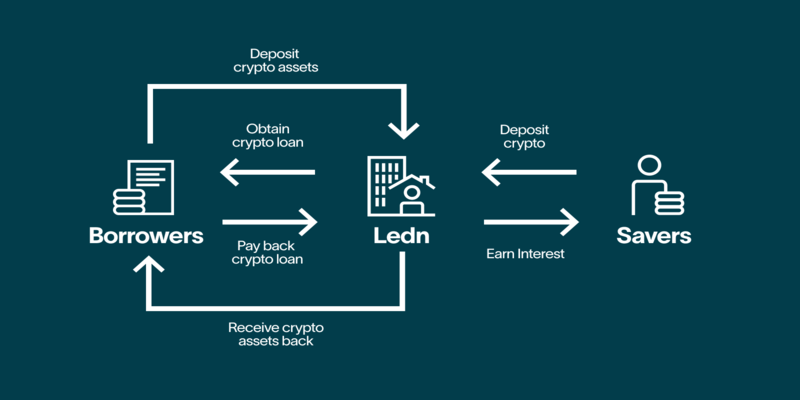
Transitioning from an uneducated retail speculator to a professional yield manager requires an active shift in your technical habits. You must establish a repeatable, objective verification process before moving assets out of your non-custodial wallet. Follow these systematic protocols to maximize your automated income while creating a defensive barrier around your principal:
- Audit the Protocol Architecture: Only interact with blue-chip lending money markets that possess multi-year track records and extensive historical uptime.
- Verify Liquidity Pool Depth: Ensure the total value locked within your chosen contract is large enough to handle sudden multi-million-dollar withdrawals without slippage.
- Analyze Token Volatility Profiles: Prioritize lending stablecoins or highly liquid blue-chip assets to shield your principal from overnight price drops.
- Calculate Net Yield Boundaries: Always subtract entry gas fees, platform management cuts, and exit fees to confirm your actual net profitability.
At CryptoInsight, our research team consistently emphasizes that real capital security relies entirely on comprehensive diversification. By distributing your assets across separate money market platforms, you effectively eliminate single points of contract failure. This systematic framework allows you to lend crypto for interest with confidence, turning volatile yield-chasing into a disciplined, institutional-grade automated cash flow model.
Troubleshooting operational platform errors to protect automated interest streams

Read More : Is DeFi Dead? Deep-Dive Review of Institutional Decentralized Finance Platforms
Even when utilizing highly secure protocols, manual missteps during the asset deployment phase can still trigger unnecessary losses. Lenders must understand how to navigate technical platform parameters, such as utilization rates and wallet approval limits. The comparative guide below outlines the distinct operational choices that separate professional asset managers from struggling beginners.
| Operational Focus | High-Risk Beginner Approach | Professional Defensive Approach |
| Contract Allowances | Granting infinite wallet approval to every yield application. | Revoking permissions regularly and limiting spend parameters. |
| Timeframe Strategy | Locking up core assets in long-term fixed pools for extra yield. | Utilizing flexible demand pools to allow instant exit liquidity. |
| Yield Reinvestment | Allowing rewards to sit idle inside the protocol dashboard. | Harvesting and compounding interest automatically into base tokens. |
Managing your smart contract allowances is a fundamental security practice that many retail investors completely overlook. When you grant infinite spending power to a protocol to lend crypto for interest, you expose your entire wallet balance to future exploits. Limiting these permissions to the exact amount you intend to deploy ensures that your primary reserves remain safe, even if the underlying platform encounters a vulnerability.
Implementing long-term capital preservation habits for recurring passive success
Sustainable passive generation requires moving past short-term speculative hype cycles and focusing entirely on risk-adjusted returns. To truly master decentralized money markets, you must treat your technical yield-farming operations as a formal business enterprise. Documenting every transaction, monitoring daily utilization rates, and tracking broader market liquidity shifts will help you predict systemic pressure before it impacts your account.
Furthermore, always maintain a clean separation between your core long-term investment portfolio and your active lending capital. Never risk assets that you cannot afford to lose in a smart contract environment, regardless of how attractive the automated payouts seem. By enforcing these strict risk parameters and continuously updating your technical education, you can confidently lend crypto for interest, turn market volatility to your advantage, and build a highly resilient digital wealth machine.
Source: https://cryptoinsight.news
Category: News