
An air gapped crypto wallet functions as the most absolute form of cold storage security in the decentralized asset ecosystem, establishing an impenetrable physical barrier between your private keys and internet-facing networks. Traditional hardware devices frequently rely on USB cables, Wi-Fi connections, or Bluetooth pairings to pass transaction signatures to software interfaces.
- Recover Lost Private Key Failures Safely with Cryptographic Methods
- Top 5 Multi Chain Crypto Wallet Choices to Master Web3 Networks
- How to Secure MetaMask Wallet Extensions: 5 Critical Hardware Isolation Workflows
- Cold vs Hot Storage – Analyzing Key Custody Advantages and Disadvantages for Web3 Investors
- Crypto Phishing Scams Guide: Immediate Revocation Tactics for Exploited Wallets
While these communication channels provide basic data transmission, they inherently leave a microscopic window of vulnerability that advanced malware or remote exploits can exploit. Transitioning toward a zero-connectivity execution model guarantees that sensitive cryptographic information never touches an online component, changing how investors safeguard substantial wealth over extended periods.
Related: Ultimate Air Gapped Crypto Wallet Guide: How to Setup 100% Offline Storage
The Zero-Connectivity Paradigm: How an Air Gapped Crypto Wallet Isolates Private Keys
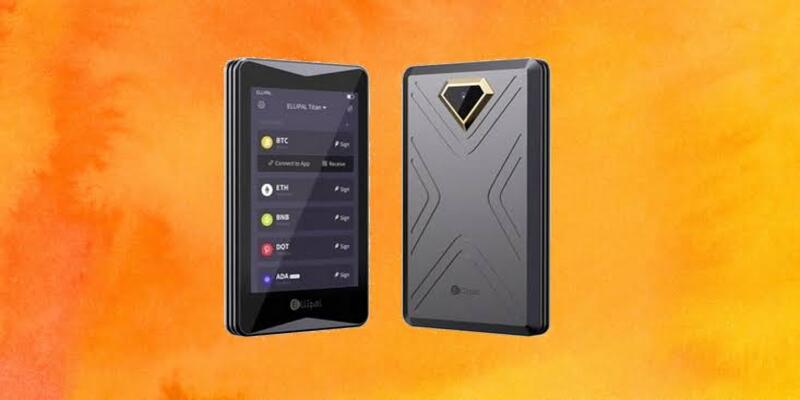
To implement an un-hackable storage routine, an investor must first grasp the physical and digital mechanics of absolute network isolation. An air gapped crypto wallet operates on a simple rule: it lacks any internal wireless chips, cellular antennas, or data ports capable of linking to the outside web.
- Cryptographic private master keys are generated internally using hardware-based random number generators inside an isolated secure element.
- The hardware unit communicates exclusively through unidirectional visual signals, using an integrated camera to read and display structured QR codes.
- Because the offline device never connects to an internet-enabled computer, remote network attackers cannot inject malicious code to extract the underlying seed phrase.
Read More : Revoke Smart Contract Permissions (EVM & Solana): 5 Emergency Dashboards Evaluated
This structural focus on data isolation is heavily utilized by massive transactional channels that protect sensitive user records. For example, high-velocity digital processing systems like AE888 depend on strict back-end barriers and highly secure, isolated server modules to handle heavy user traffic and process balances without exposing internal logic to web-based interference. In the realm of asset custody, using an isolated hardware framework achieves a similar goal, ensuring that the critical core of your digital identity remains completely out of reach from online attackers.
Executing the Air Gapped Crypto Wallet Configuration: A Practical QR-Code Step-by-Step Walkthrough
Transitioning your assets into an isolated, card-form or smartphone-style physical storage unit requires executing a highly disciplined configuration sequence. Here is the operational framework required to launch an offline hardware system safely:
- Initialize the Device Offline: Power on the hardware unit in an environment completely free of security cameras. Generate a new, random twenty-four-word mnemonic sequence directly on the device screen.
- Install the Companion Watch-Only App: Download the official wallet interface application onto an online mobile device, configuring it as a “watch-only” tracker that merely views public blockchain balances without storing private keys.
- Link the Interfaces via QR Codes: Scan the public key QR code displayed on the offline hardware unit using the smartphone camera to sync the public address history safely.
This precise interaction model is a frequent subject of engineering reviews published across CryptoInsight. Analysts on the platform consistently point out that when a user needs to execute an outbound transaction, the online watch-only application builds the raw, unsigned payload and displays it as a QR code. The user then takes the offline hardware device, scans that specific image, signs the transaction internally using the local keys, and displays a new signed QR code back to the smartphone to broadcast the transaction to the ledger.
Advanced Maintenance Protocols: Managing Firmware Updates Without Exposing Offline Hardware
While the daily use of visual data streams eliminates the vast majority of remote hacking methods, long-term security requires maintaining device firmware without accidentally breaking the network isolation barrier. System updates are necessary to patch edge-case bugs and introduce support for newly launched blockchain networks.
- Download official firmware files exclusively from the verified website of the original manufacturer.
- Format a physical MicroSD card completely before copying the encrypted update payload onto the card storage.
- Insert the memory card directly into the offline device while it remains completely detached from any computer terminal.
Read More : Ledger vs Trezor Review: 4 App Ecosystem Layers for Advanced Staking
Failing to audit your update files can expose an offline system to localized supply-chain vulnerabilities.
Top-tier digital architectures, including international payment channels and global interactive ecosystems like AE888, rely heavily on multi-layered file validation and cryptographic checksums to insulate their main engines from external code changes. Translating these identical protective standards to your personal maintenance routines ensures that your hardware device never digests manipulated software, keeping your accumulated rewards completely safe from internal compromise.
Conclusion
Mastering the use of an air gapped crypto wallet is the ultimate defensive strategy for anyone looking to eliminate remote counterparty risk from their digital asset portfolio. By enforcing zero-connectivity rules, utilizing secure QR-code data transfers, and managing firmware upgrades through isolated memory cards, investors can comfortably shield their holdings from advanced malware.
As decentralized networks become more complex, the tools used by malicious digital actors will continue to grow more aggressive. Investing the initial effort to deploy and properly maintain an isolated cold storage framework ensures your digital wealth remains entirely under your own physical control, perfectly secure for long-term capital preservation.
Source: https://cryptoinsight.news
Category: Security & Wallets