
Secure metamask wallet setups by routing your Web3 private keys through an air-gapped Ledger or Trezor device. Learn 5 essential physical isolation techniques.
- 5 Experts Discuss the Latest Bitcoin Price Prediction Bull Trends
- 5 Best Liquid Staking Derivatives Protocols Reviewed for Maximizing Cross-Chain Passive Income Yields
- Ledger vs Trezor Review: 4 App Ecosystem Layers for Advanced Staking
- Spot vs Futures Crypto Structural Factors: Analyzing Risks and Rewards
- 5 Worst Crypto Projects of 2026: The Biggest Token Collapses
Secure metamask wallet extensions are the primary targets for modern web-based browser exploits and malicious decentralized applications. While hot wallets provide excellent convenience for daily decentralized finance transactions, keeping your private keys inside a browser memory pool exposes you to clipboard hijacking. Moving your primary assets behind physical validation layers prevents remote attackers from modifying transaction payloads behind the scenes.
Related: How to Secure MetaMask Wallet Extensions: 5 Critical Hardware Isolation Workflows
Using software interfaces without hardware backing forces your browser to act as both the signer and the network gateway. To build a highly secure metamask wallet, you must decouple your cryptographic seed generation entirely from your internet-connected operating system.

The Core Vulnerabilities of Unhardened Browser Extensions
Understanding why standard software environments fail helps users implement a truly secure metamask wallet architecture. Standard software installations generate your twelve-word mnemonic seed phrase inside the local browser storage cache. This architectural setup means that any active memory-scraping malware or cross-site scripting bug can read your raw seed data.
- Memory Scraping Attacks: Malicious background processes extract unencrypted private data directly from active browser cache allocations.
- Malicious Extension Hijacking: Rogue helper extensions monitoring your browser sessions can alter transaction target addresses during the copy-paste phase.
- Deceptive Smart Contract Calls: Spoofed web frontends wrap asset-draining parameters inside standard minting or claims requests.
Five Critical Hardware Isolation Workflows to Secure MetaMask Wallet Data
Establishing a secure metamask wallet environment requires transitioning from purely software-based security to rigid physical device verification protocols. These five advanced hardware isolation workflows are engineered to completely remove your master private keys from your computer’s internet-exposed processing layer.
Workflow 1: Cold Booting Mnemonic Seeds on Isolated Secure Elements
Never allow your browser extension to generate your core recovery phrase during setup if you want a genuinely secure metamask wallet. Initialize your seed phrase directly on an isolated hardware device utilizing an EAL6+ certified microchip. This process ensures that your master private keys never touch your computer screen or keyboard during creation.
Workflow 2: Bridging the Hardware Connection via WebHID Protocols
Read More : 5 Strategic Steps on How to Trade Crypto Options with Lower Risk
Configure your browser settings to authorize hardware communication exclusively through verified WebHID or native application bridges. Avoid legacy browser-extension permissions that permit open WebSocket connections to third-party endpoints. This workflow creates an authenticated data pipeline directly between your hardware device and the extension interface.
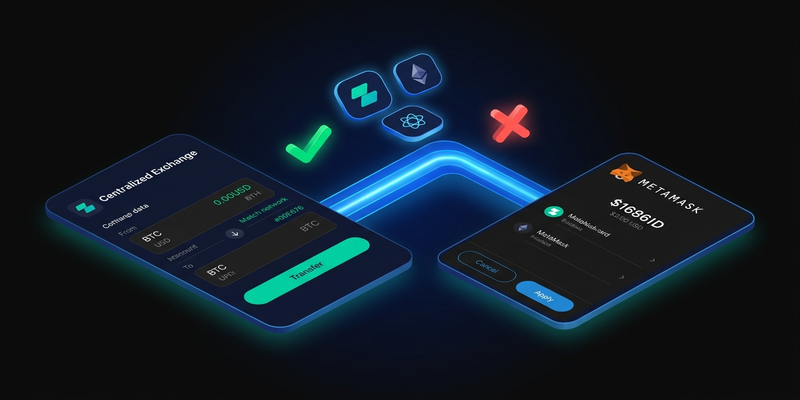
Workflow 3: Enforcing Mandatory Physical Clear-Signing Verification
Activate clear-signing parameters on your connected hardware device to fully parse smart contract transaction details before execution. When using your secure metamask wallet setup, cross-verify the contract address, chain ID, and token value on the hardware screen. Reject any transaction where the physical screen does not match your browser display.
Workflow 4: Segregating Hot and Cold Account Derivation Paths
Utilize distinct BIP44 derivation paths within your physical hardware setup to split your portfolio into separate operational accounts. Dedicate one address path strictly for low-interaction cold storage and a separate address for experimental decentralized applications. This segmentation ensures a smart contract compromise on one path cannot drain your entire asset pool.
Workflow 5: Implementing Air-Gapped QR Code Transaction Signing
For ultra-secure profiles, link your extension to an air-gapped hardware wallet that completely lacks USB or Bluetooth connectivity. Transactions are transmitted using visual QR codes scanned via an integrated device camera. This workflow completely eliminates physical hardware vulnerabilities and network-level data injections.
Detailed Interface Comparison and Security Parameters
Evaluating how different hardware connections alter your browser security profiles is key to maintaining a secure metamask wallet. Different hardware brands utilize unique communication layers, affecting both processing speed and resistance to remote exploits.
To discover up-to-date protocol warnings and review detailed wallet integration logs, reading the expert web3 analysis on CryptoInsight will help optimize your defense systems. Software simulators can complement your hardware setup by exposing malicious parameters before they reach your physical device.
| Connection Method | Data Transmission Vector | Local Malware Resistance | Primary Operational Vulnerability |
| Air-Gapped QR Codes | Visual camera scanning | Maximum Security | Slow transaction throughput speeds |
| WebHID USB Bridge | Direct encrypted cable | High Security | Host machine USB port vulnerabilities |
| Bluetooth Pairing | Wireless radio waves | Moderate Security | Local signal interception risks |
Step-by-Step Configuration Guide for Hardened Wallet Setups
Read More : Recover Lost Private Key Failures Safely with Cryptographic Methods
Follow this direct technical guide to configure and secure metamask wallet configurations with your physical cold storage device. This setup process changes your software app into an interface controller while your hardware device retains exclusive signing rights.
Step 1: Initialize Your Physical Vault
Power on your cold storage hardware device and choose the option to generate a brand new seed phrase. Write down the generation phrase on a physical paper backup card and store it in a secure location. Do not save these words in a text file or cloud service.
Step 2: Download the Clean Application Interface
Install a fresh version of the browser extension from the official distribution repository. During the initial configuration, choose to create a dummy account with a random seed phrase that you will never use for storing funds. This dummy profile simply acts as the local system shell.

Step 3: Link Your Verified Hardware Device
Click the profile icon inside your extension dashboard and select the option to connect a hardware wallet. Choose your specific hardware provider and connect your device via USB or prepare the QR code scanner. Select the specific derived addresses you want to monitor and import them into the active menu to finalise your secure metamask wallet deployment.
Step 4: Configure Visual Transaction Simulation Extensions
Install a verified open-source transaction simulator extension alongside your primary application dashboard. This tool parses transaction data in real time, showing you exactly what assets will leave your account before your hardware device signs. This extra layer gives you an easy-to-read double-check.
- DeFi Approval Control: Regularly review and remove open token allowances using contract revocation dashboards to limit app exposure.
- Biometric Access Locks: Enable device-level biometric access parameters inside your mobile browser options to block physical unauthorized entries.
- Custom RPC Networks: Route your transaction queries through private RPC nodes to hide your personal IP addresses from public mempools.
Using these specific configuration steps helps you build a highly secure metamask wallet capable of resisting sophisticated network draining attacks. Relying on physical screen confirmation eliminates the danger of blind-signing errors during your daily Web3 market operations. Keep your core recovery keys completely offline, and treat every browser-based request with an analytical approach to secure your digital assets.
Source: https://cryptoinsight.news
Category: News