
Ledger vs trezor review analyzes companion apps for managing multi-chain portfolio assets. Discover 4 technical software layers now.
- Lend Crypto for Interest: How Beginners Lose Money in Decentralized Money Markets
- 5 Best Crypto Hardware Wallets Classified by Custody Architecture
- Analyzing the Top Utility Tokens: Which Projects Offer Genuine Value?
- Are Fed Interest Rate Crypto Policies Stalling the Next Bull Run?
- 5 Quantitative Rules for Crypto Leverage Risk Management in Volatile Markets
Ledger vs trezor review dynamics have shifted dramatically from basic hardware evaluations to complex ecosystem comparisons. While physical chip security remains a vital foundation, modern crypto investors select cold storage devices based on software integration. The companion apps acting as the primary gateways to decentralized finance now dictate overall performance and staking yields.
Related: Ledger vs Trezor Review: 4 App Ecosystem Layers for Advanced Staking
Choosing between these industry titans requires exploring how their native software interfaces interact with various proof-of-stake networks. A fragmented interface can cost you significant yield opportunities or expose you to smart contract vulnerabilities. This in-depth ledger vs trezor review breaks down the app ecosystems of both manufacturers to optimize your passive income strategy.
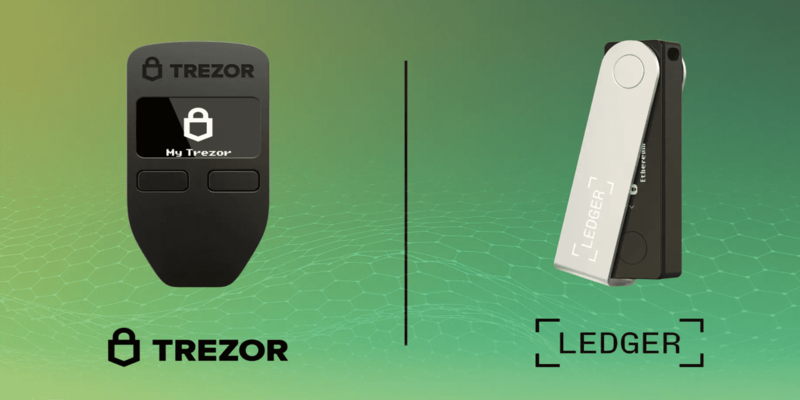
Exploring the Four App Ecosystem Layers for Advanced Staking
To maximize capital efficiency, your app ecosystem must manage high-throughput proof-of-stake environments without relying on risky intermediate browser extensions. A well-designed wallet application streamlines validator choice, compounding rewards, and unbonding times. A detailed ledger vs trezor review reveals how these architectural choices directly impact your long-term passive income generation.
- Native Staking Integration Layer: The internal interface allowing users to delegate crypto directly to validators from the primary application.
- Liquid Staking Derivates Layer: Software connections that provide immediate liquidity by issuing wrapped tokens in exchange for locked assets.
- Third-Party Web3 Aggregator Layer: The ability of the device app to connect with external platforms like MetaMask or Rabby securely.
- Validator Infrastructure Audit Layer: The technical vetting process used by the wallet app to filter out underperforming or malicious blockchain validators.
Read More : Real World Asset Tokens Analysis: 3 Hidden Gems Outperforming Large-Caps
Selecting the best crypto hardware wallets requires analyzing how effectively these software layers communicate with the underlying hardware layout. When these systems are seamlessly integrated, they significantly reduce operational vulnerabilities and optimize user yield.
| App Ecosystem Layer | Ledger Live Implementation | Trezor Suite Implementation | Practical Staking Impact |
| Native Integration | Highly extensive; multi-asset support | Selective; primarily Ethereum and Solana | Affects how many assets earn rewards natively |
| Liquid Staking | Deeply embedded (Lido, Kiln partners) | Requires external dApp connections | Dictates liquidity availability during lockups |
| Web3 Aggregator | Leverages WalletConnect and Developer Kit | Seamless WalletConnect; direct extension pairings | Determines dApp ecosystem access speed |
| Validator Auditing | Institutional vetting protocols | Community-vetted third-party pools | Impacts slashing risk mitigation |
Detailed Ledger vs Trezor Review Comparison of Staking Functionality
A comprehensive ledger vs trezor review requires analyzing how these devices perform under active staking workloads. Ledger takes an aggressive approach by building an all-in-one software ecosystem directly inside Ledger Live. This centralized architecture allows you to stake major assets like Ethereum, Solana, and Polkadot natively with minimal clicks.
Trezor Suite, conversely, embraces an open-source philosophy that prioritizes modular security over bundled applications. A comprehensive ledger vs trezor review highlights that while native staking options within Trezor Suite are more conservative, the device connects seamlessly to advanced third-party interfaces. This design keeps the core application lightweight and highly secure.
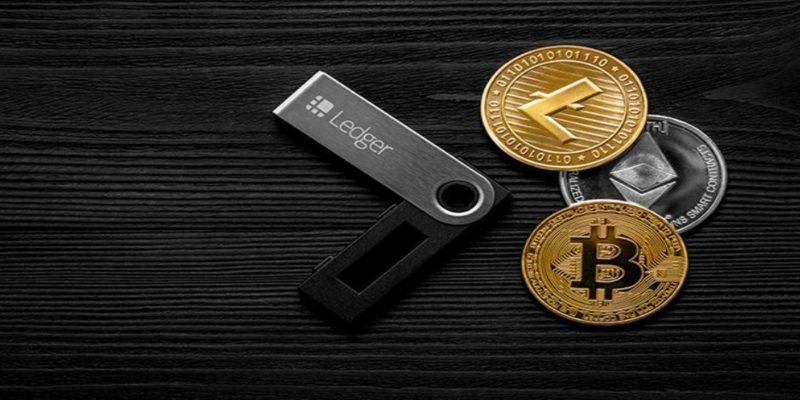
- Asset Coverage: Ledger natively supports a wider array of proof-of-stake layer-one networks within its default application interface.
- User Interface Flow: Ledger focuses on guided, retail-friendly wizards, while Trezor caters to users who prefer configuring custom validator nodes.
- Fee Optimization: Trezor often provides more transparent fee breakdowns, whereas Ledger incorporates institutional partners that take minor commission cuts.
| Staking Metric | Ledger Live Performance Ecosystem | Trezor Suite Performance Ecosystem |
| Supported Native PoS Coins | Ethereum, Solana, Cosmos, Polkadot, Near | Ethereum, Solana, Cardano (via light wallets) |
| Minimum Bonding Thresholds | Variable based on protocol requirements | Dependent on third-party pool rules |
| DeFi Yield Automation | High automation via built-in aggregator apps | Manual optimization via external Web3 dApps |
Mitigating Smart Contract Risks in Hardware Wallet Ecosystems
No ledger vs trezor review is complete without evaluating how software apps manage clear-signing during complex staking operations. When you interact with a staking contract, your device screen must explicitly display what functions you are authorizing. Malicious smart contracts frequently attempt to hide asset-draining permissions inside obscured data packets.
Ledger counters this threat by implementing an aggressive clear-signing campaign across its app marketplace. Trezor relies on its transparent, fully open-source firmware stack to ensure that independent developers can audit transaction data flows continuously.
- Blind-Signing Vulnerabilities: Occur when a wallet app cannot interpret smart contract data, forcing the user to sign unverified code.
- Firmware Isolation: Both ecosystems ensure that private keys never leave the hardware, even if the companion app becomes corrupted.
- Phishing Defenses: Trezor Suite implements rigorous domain verification systems to warn users before connecting to malicious staking frontends.
Deploying an Optimized Passive Income Architecture
Read More : Deciphering Altcoin Season Indicator Charts: Key Metrics for 2026 Investors
Maximizing your yield while maintaining institutional-grade security requires a highly disciplined technical deployment strategy. To read deep-dive security teardowns and track real-time firmware updates, consulting the specialized analytical guides on CryptoInsight will help you stay informed. A complete ledger vs trezor review reveals that while both ecosystems offer robust tools, your ultimate defense depends on following a structured checklist.
Before locking your assets into any long-term staking contract, it is vital to verify the operational history of your chosen validator pool. Ensuring your hardware signer is completely updated reduces the chance of execution errors during critical network upgrades. Choosing the best crypto hardware wallets on the market means nothing if you fail to manage your offline recovery credentials.
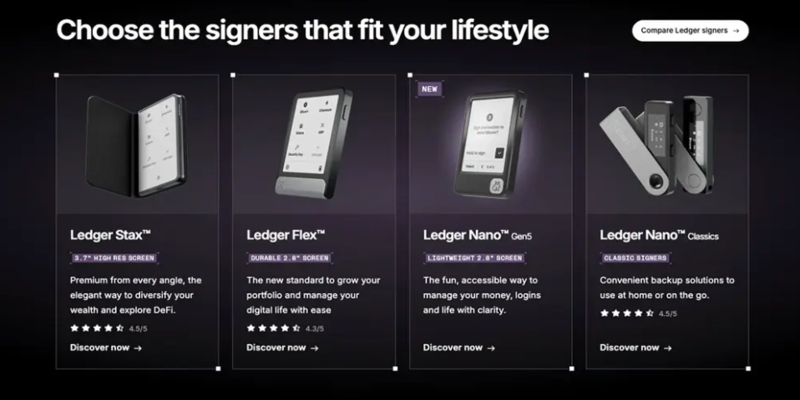
- Step 1: Update your hardware wallet firmware and its companion app to the newest production versions.
- Step 2: Analyze the commission rates and uptime history of available validators inside the app ecosystem.
- Step 3: Allocate your staking capital across multiple independent validators to mitigate protocol slashing penalties.
- Step 4: Securely back up your recovery seed shares on physical metal plates to survive localized environmental damage.
By understanding the distinct advantages of each brand, you can match your investment style with the perfect balance of convenience and security. Choose the framework that best supports your portfolio, and always prioritize clear-signing verification to protect your digital wealth. Let the historical probabilities work in your favor while utilizing advanced models to recover lost private key access routes if an emergency arises.
By understanding the distinct advantages outlined in this ledger vs trezor review, you can match your investment style with the perfect balance of convenience and security. Choose the app ecosystem that best supports your asset portfolio, and always prioritize clear-signing verification to keep your digital wealth safe.
Source: https://cryptoinsight.news
Category: News