
Crypto DCA calculator modeling is the secret to disciplined investing. Learn how to optimize your recurring buy schedule for maximum ROI.
- 5 Strategic Steps on How to Trade Crypto Options with Lower Risk
- Ultimate Guide to Building a Crypto Airdrop Farming Strategy for Maximum Capital Gains
- Crypto Presales High Risk Analysis: 5 Red Flags Compared in Modern Token Launches
- Solana Yield Farming Guide: 7 Strategic Rules to Build Permanent Passive Income Streams Safely
- Cold vs Hot Storage – Analyzing Key Custody Advantages and Disadvantages for Web3 Investors
A crypto DCA calculator is an essential tool for smoothing out market volatility through systematic, data-driven accumulation. By purchasing fixed amounts of an asset at regular intervals, you can effectively mitigate the risks associated with impulsive, emotion-driven trading decisions.
Related: 4 Steps to Master Your Portfolio Using a Crypto DCA Calculator
Using a professional crypto DCA calculator provides a clear mathematical snapshot of your cost basis across different market cycles. This objective data helps you maintain conviction during deep corrections and prevents the common retail trap of panic selling at local market bottoms.
Understanding the mathematical edge of a crypto DCA calculator
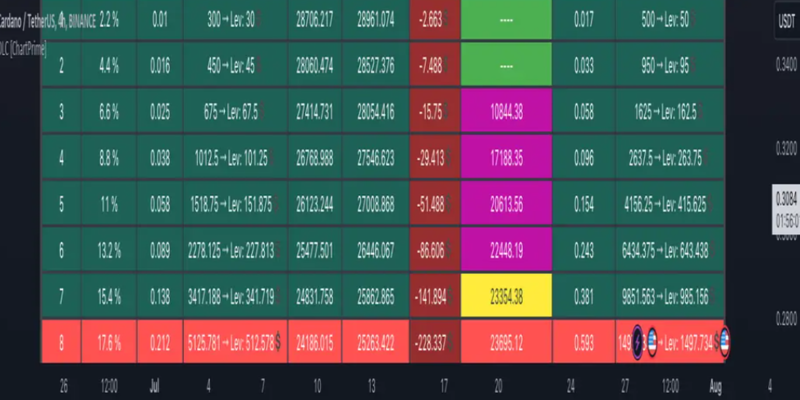
The core advantage of using a crypto DCA calculator is the ability to visualize how systematic buying smooths out your average cost basis. In highly volatile environments, price spikes can lure traders into buying at the peak, while deep corrections often scare them out of the market. A calculator allows you to see the real-world impact of consistent buying despite these massive price swings.
When you input your investment frequency and total capital, the tool computes your weighted average buy price against the current market index. This objective data prevents the emotional paralysis that typically occurs when prices drop significantly from your initial entry. Understanding your cost basis in real-time is essential for making informed decisions about when to adjust your recurring purchase volume.
| Feature Component | How it Impacts Your DCA | Primary Technical Benefit |
| Total Invested | Tracks aggregate capital committed. | Keeps you within your risk budget. |
| Current Portfolio Value | Reflects market price fluctuations. | Shows immediate unrealized gain/loss. |
| Average Cost Basis | Calculates your break-even point. | Essential for exit strategy planning. |
| Asset Performance | Compares DCA vs Lump Sum. | Validates the effectiveness of your strategy. |
4 steps to master your portfolio using a crypto DCA calculator
Read More : Real World Asset Tokens Analysis: 3 Hidden Gems Outperforming Large-Caps
Achieving portfolio mastery requires a rigorous, data-driven approach. By following these 4 steps to master your portfolio using a crypto DCA calculator, you transition from speculative guessing to a systematic framework that prioritizes sustainable growth.
The first step is to define your investment horizon, selecting a clear timeframe to anchor your strategy. Next, populate your crypto DCA calculator with precise entry dates and capital amounts to establish a reliable cost basis. Once your foundation is set, use the tool to stress-test your portfolio against various hypothetical market scenarios. Finally, adjust your recurring buy amounts based on these insights to ensure your crypto DCA calculator results remain aligned with your risk profile.

- Establish Horizon Goals: Determine your exact accumulation duration to maintain strict emotional discipline during extended market drawdowns and periods of high volatility.
- Validate Cost Basis: Use the calculator to verify your average entry price against institutional benchmarks, ensuring your long-term position remains fundamentally sound and competitive.
- Data-Driven Adjustments: Update your purchase schedule based on performance output to optimize capital efficiency, allowing you to scale into stronger positions during favorable market cycles.
- Performance Benchmarking: Compare your calculated DCA returns against traditional “buy-and-hold” lump sum methods to determine if your incremental strategy is outperforming the broader market index effectively.
By adhering to these phases, you create a robust defensive framework. Quantifying your results allows you to filter out market noise, ensuring your portfolio stays resilient against unexpected price swings.
Analyzing accumulation outcomes with a crypto DCA calculator
Beyond tracking cost basis, a crypto DCA calculator is instrumental in performing comparative analysis between different asset profiles. Many investors struggle to decide whether to focus their DCA efforts on large-cap assets or higher-risk, smaller-cap coins. Using a calculator allows you to simulate how different assets would have performed over the past several years under an identical investment schedule.
This comparative study often reveals that DCA is significantly more effective for volatile assets that undergo massive cyclical price rotations. For investors who are unsure about their current strategy, modeling these outcomes using a crypto DCA calculator provides a clear view of which assets offer the best risk-adjusted return over time.
| DCA Model Scenario | Potential Market Outcome | Investor Strategy Result |
| Bear Market Accumulation | Asset price continues dropping. | Lowers your cost basis effectively. |
| Sideways Consolidation | Price range is stable for months. | Accumulates massive volume cheaply. |
| Bull Market Expansion | Asset price reaches new highs. | Realizes gains on early cheaper entries. |
| High Volatility Swings | Rapid, erratic price movements. | Minimizes emotional timing errors. |
Optimizing recurring buy frequency with a crypto DCA calculator
Read More : Revoke Smart Contract Permissions (EVM & Solana): 5 Emergency Dashboards Evaluated
Frequency is a critical variable that many investors overlook when they first begin using a crypto DCA calculator. While many retail traders opt for weekly or monthly purchases, the frequency of your buys can drastically alter your final portfolio composition. A calculator allows you to compare the mathematical outcomes of daily versus monthly cycles, which can be the difference between capturing major dip opportunities or missing them entirely.
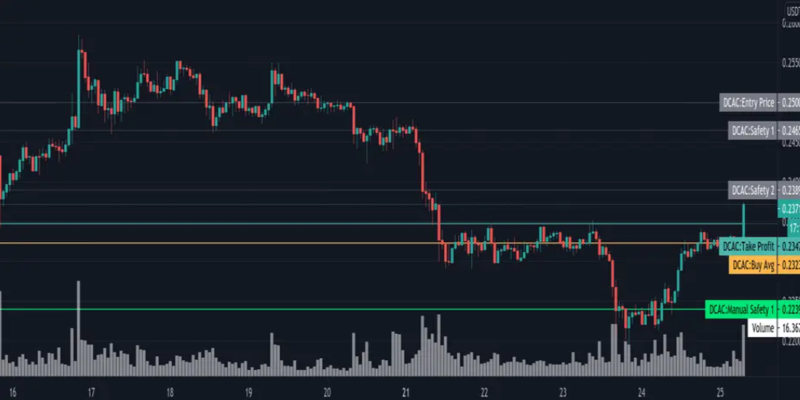
For most active traders, aligning your DCA frequency with market volatility cycles is a proven way to improve performance. The Technical Analysis team at CryptoInsight suggests that in highly liquid markets, a more frequent purchase schedule—such as daily or weekly—often yields a more stable average cost basis. By leveraging your crypto DCA calculator, you can fine-tune this frequency to ensure you are accumulating efficiently without incurring excessive transaction fee overhead.
Integrating DCA results into your broader risk management
The final stage of mastering your portfolio is integrating the outputs of your crypto DCA calculator into your overall risk management framework. Your cost basis is a primary indicator of your safety margin; when the market price trades significantly above this basis, you are in a position of strength. Conversely, when the market dips toward your average, the data provided by your calculator helps you decide whether to hold or increase your capital allocation.
Always remember that a crypto DCA calculator is a planning tool, not a crystal ball for predicting future price action. Use the data it generates to maintain discipline, avoid panic selling, and ensure your position sizing remains appropriate for your financial goals. Mastering these data-driven habits ensures that you remain a patient, profitable participant in the long-term growth of the digital economy.
Source: https://cryptoinsight.news
Category: News